Preparing for the Seal of Biliteracy can be both challenging and rewarding for students at Cinnaminson High School. Teachers and students work together to prepare for an exam that recognizes proficiency in two or more languages. The Seal of Biliteracy is added to a student’s transcript and diploma, highlighting years of dedication to language study and cultural understanding. Director of World Language Suzanne Fisher, Spanish teacher Valerie Lamb, and junior student Isadora Guthrie share their perspectives on the test’s purpose, preparation, and impact on students at CHS.
What is the Seal of Biliteracy?
The Seal of Biliteracy certifies that a student is proficient in English and at least one additional language. According to the district’s bilingual coordinator Fisher, the Seal shows that a student can communicate at an intermediate-mid level.
“It means you can hold a conversation, talk about your likes and dislikes, past experiences, and even hypothetical situations,” Fisher said.
Students must demonstrate skills in reading, writing, listening, and speaking to earn the Seal, proving they are biliterate rather than simply conversational.
How the Test Works
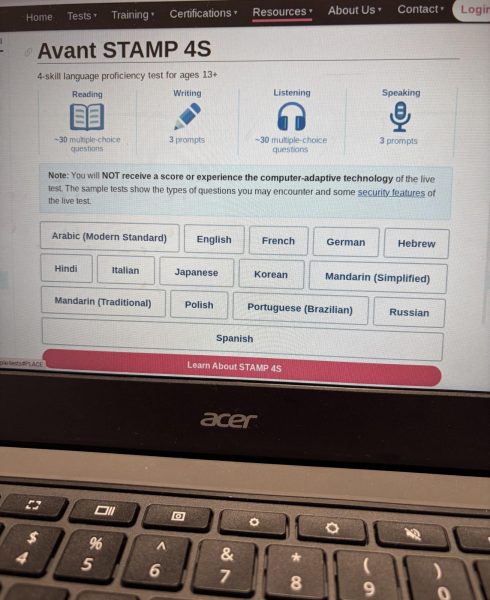
The Seal of Biliteracy exam is scored on a scale, and students must earn at least a five in each category to pass. However, teachers encourage students to aim higher.
“We are striving for kids to score sixes or higher,” Lamb said. “Colleges are now affording credits for progress on the Seal, and they like to see a six or higher in each category.”
Each year, around 80 to 90 students at CHS take the test, including honors, accelerated, and AP students. Some students will retake the exam to improve their scores for college placement or credit.
Teacher Support and Preparation
Teachers play a major role in helping students feel prepared. In class, students participate in spontaneous speaking exams, debates, and warm-up activities covering a variety of topics.
“There’s no way to know what the topics will be on the Seal,” Lamb said. “So we focus on preparing students to think and speak on their feet.”
Outside of class, students are encouraged to immerse themselves in the language by watching shows, listening to music, or even following social media accounts in their target language.
Student Perspective
Students can also attend after-school tutoring sessions offered in advance of the exam. Guthrie, who took the French Seal, said tutoring helped her review verb tenses and vocabulary.
“I went to the tutoring sessions and reviewed a lot of the French tenses and helpful vocabulary,” Guthrie said.
Why does the Seal Matter?
Earning the Seal of Biliteracy can benefit students after high school. Some colleges accept the Seal as placement or credit, allowing students to skip introductory language courses.
“Colleges are slowly but surely accepting it as credit or placement,” Fisher said.
The district also fully funds the testing, which typically costs between $20 and $30 per test in other districts. Fisher expressed gratitude for the district’s continued support.
“They recognize the importance of biliteracy and continue to support it,” Fisher said.
Advice for Students
Both teachers emphasized that confidence is key on test day.
Fisher encouraged students to use what they know rather than freeze if they forget a word.
“They want to see if you can communicate and use the tense correctly,” Fisher said. “You work your way around it, just like you would in real life.”
Lamb added that consistent effort over time is what truly leads to success.
“It’s an indicator of how much you’ve studied over the years,” Lamb said, “not how much you crammed the night before.”
Looking Ahead
As more students pursue advanced language study, teachers hope to see continued growth in Seal participation. Whether taken as a junior or senior, the Seal of Biliteracy represents years of commitment and opens doors for future academic and career opportunities.
For many students, earning the Seal is not just about passing a test, but about proving their ability to communicate, connect, and succeed.